chef's table menus that change with the route
Cuisine With Cruise Rhythm
Dining Atelier
The dining program is built to support the casino-cruise lifestyle: elegant enough for celebratory evenings, flexible enough for guests who want a quick bite before a show, and rich enough to make each itinerary feel locally rooted.
What you actually experience
Designed moments, not generic amenities
The details below show how Shadow Heroeso Fvalor turns this theme into something tangible onboard.
a terrace raw bar with sea-breeze seating
late suppers timed for theater and casino guests
breakfast rooms that feel like boutique hotels rather than buffets
Restaurant Preview
This is only a small part of our restaurant menu onboard.
The selection below is not presented as a full dining catalog. It is only a short preview of the culinary range guests encounter across the cruise, from late-night comfort bowls and classic pasta plates to pastry-room desserts and warmer route-led sharing dishes. The full restaurant department onboard is broader, more seasonal, and more closely tied to the route than a single page can fully show.
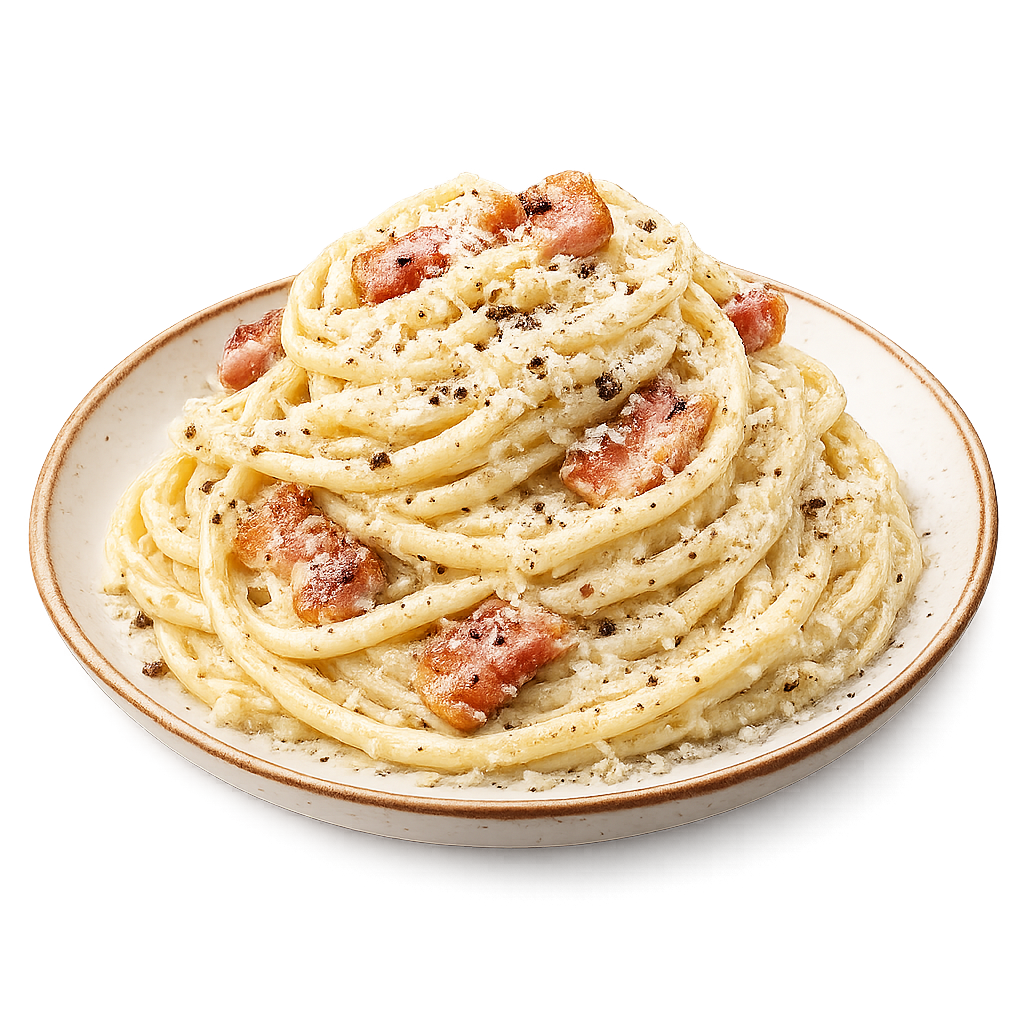
Midnight Carbonara
A rich Roman-style pasta course built for late dining after the casino or after the final music set, with pepper warmth, crisp pancetta notes, and a plated finish that still feels polished at a late hour.
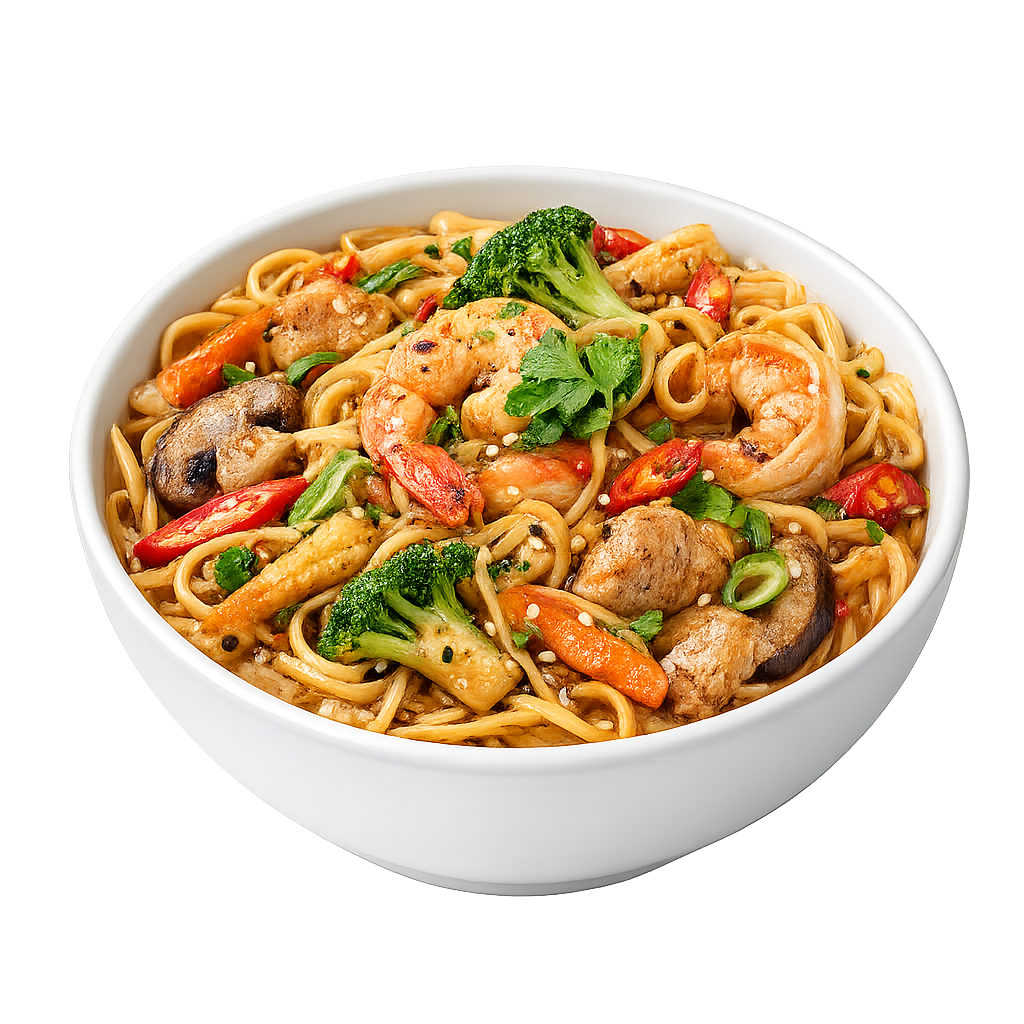
Harbor Noodle Bowl
This bowl reads as a faster, more energetic restaurant option: seafood, vegetables, and savory noodles arranged for guests who want strong flavor and real substance without slowing the evening too much.
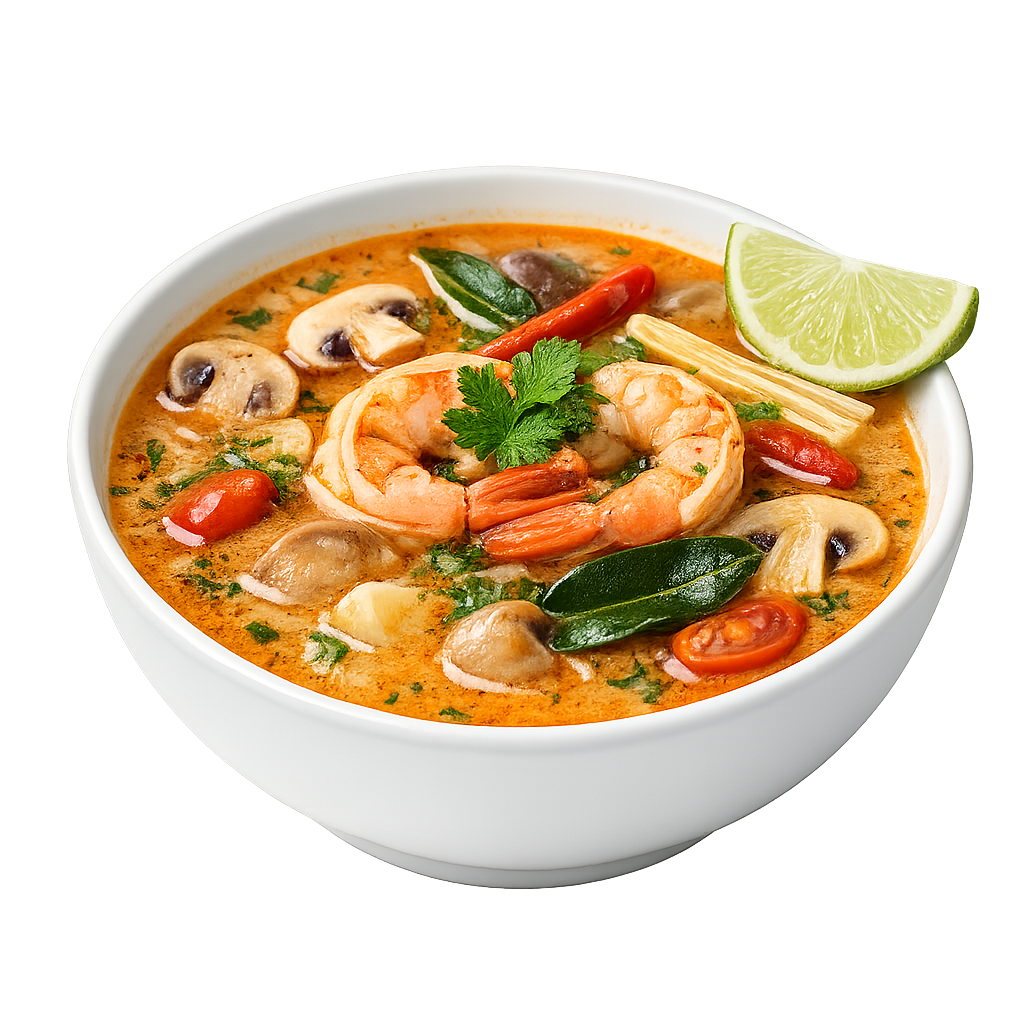
Spiced Sea Broth
A brighter soup course with shrimp, mushroom depth, citrus lift, and warm spice, suited to warmer itineraries where guests often want something aromatic, vivid, and lighter than a heavy main plate.
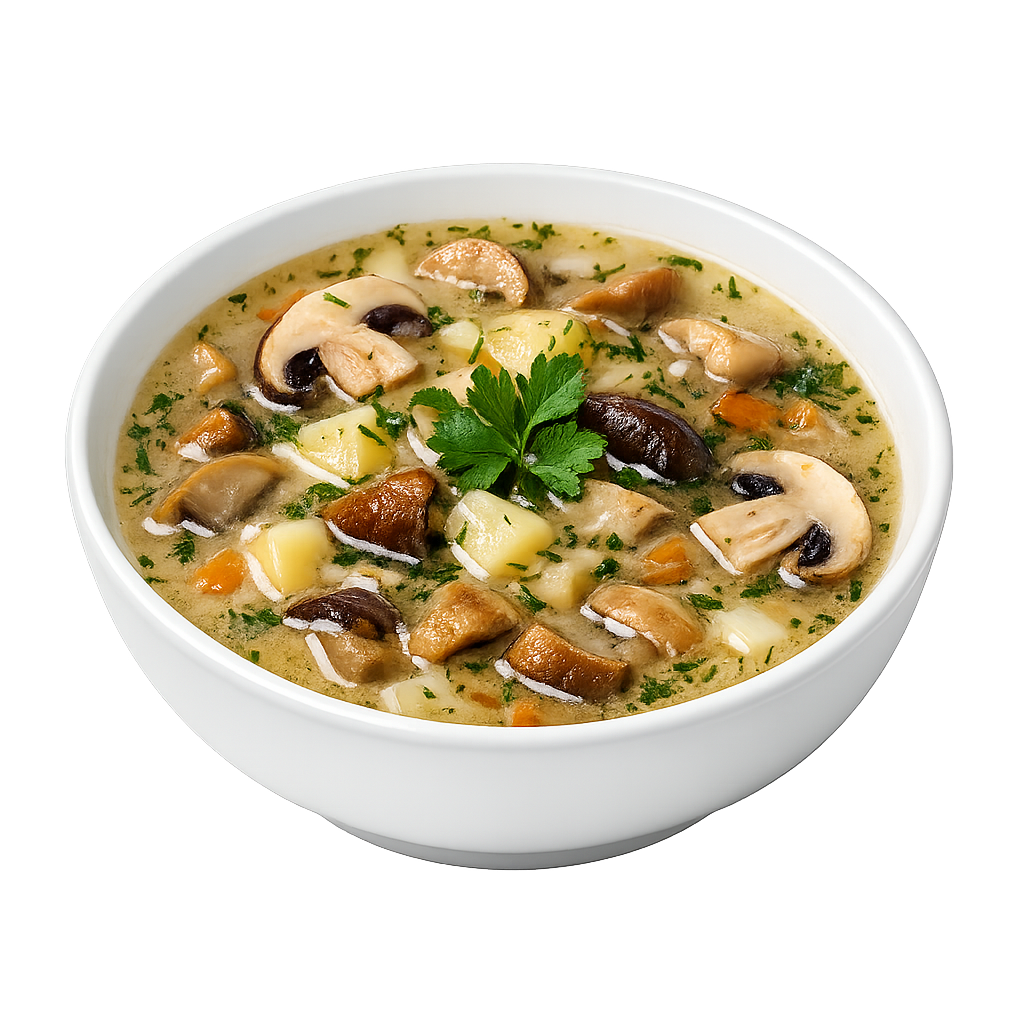
Woodland Cream Potage
This dish suggests the calmer side of Dining Atelier: creamy texture, mushroom richness, and slower comfort for scenic voyages where guests lean toward interior warmth and more restorative evening meals.
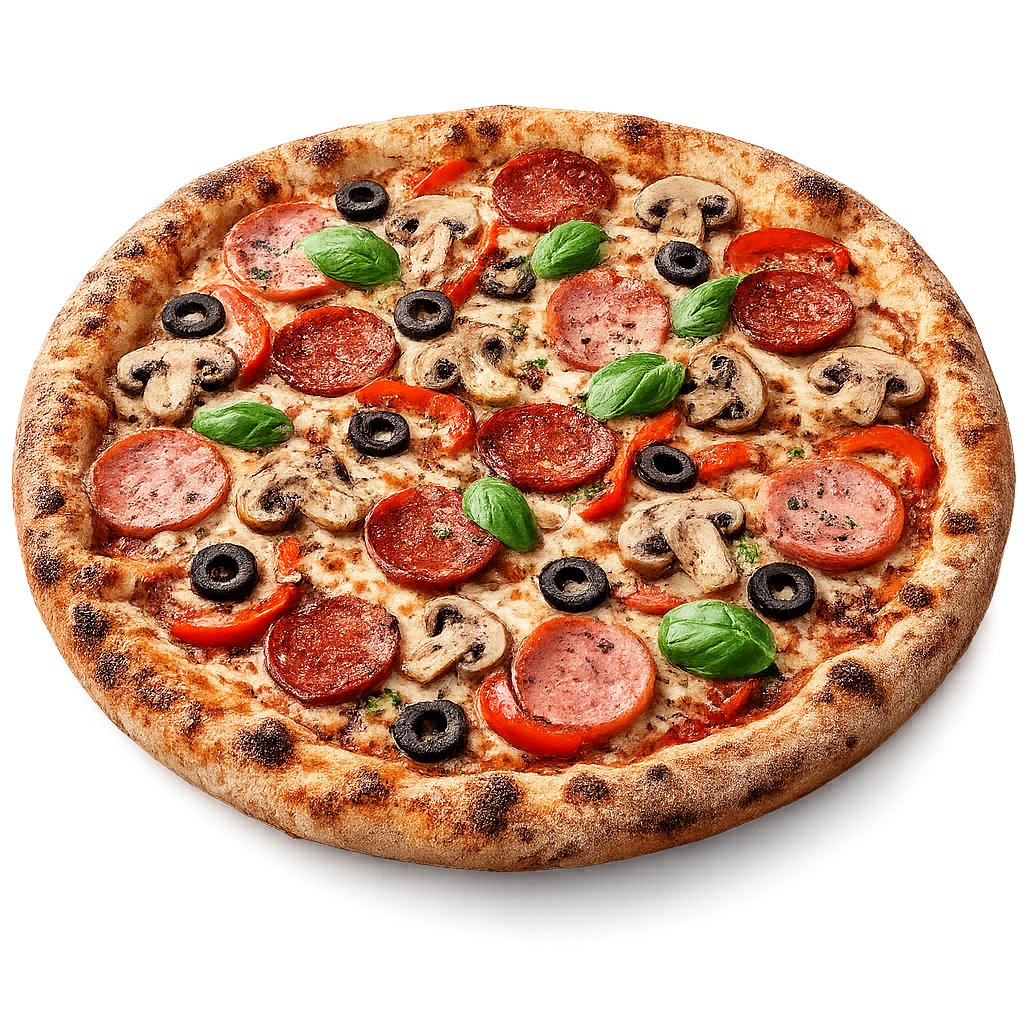
Deck Oven Signature Pizza
A more social, shareable offering from the casual end of the restaurant program, balancing charred crust, peppered salami, olives, basil, and a brighter marina-bar energy that fits open-air routes especially well.
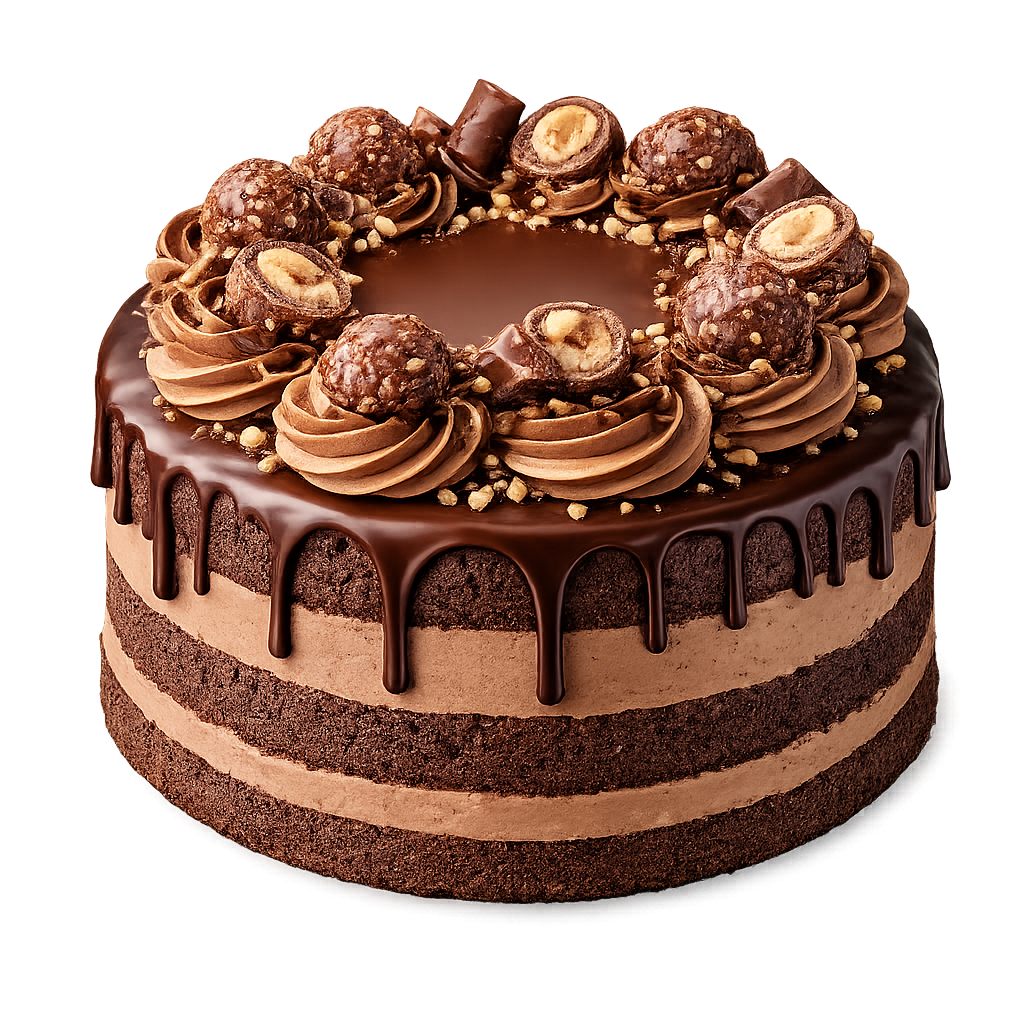
Chocolate Salon Gateau
This dessert captures the celebratory end of the menu story: layered chocolate, hazelnut accents, and a more theatrical pastry-room finish designed for birthdays, private dinners, and longer casino evenings onboard.
Questions
Common planning answers
These answers cover the practical concerns guests usually raise before choosing a route, cabin, or onboard experience. In the case of Dining Atelier, they are especially useful because food onboard is not treated as a secondary convenience. It is part of how the cruise structures the day, supports the casino-and-entertainment rhythm at night, and gives each route a more distinct personality from morning to midnight.
Every route includes some specialty dining access, with larger suite categories receiving more flexibility. The exact structure depends on cabin type, sailing length, and the specific package attached to the booking, but Shadow Heroeso Fvalor is designed so that guests do not feel locked out of the dining identity of the ship simply because they are not in the top accommodation tier. The culinary program is distributed across multiple venues and formats, which means guests usually have more than one way to experience elevated dining during the voyage.
That said, suite categories and repeat-guest status do make the dining journey smoother. Priority reservations, broader timing options, better access to private tasting formats, and stronger last-minute flexibility all matter on a ship where dining supports the evening rhythm leading into bars, lounges, and the casino. For many guests, specialty access is not only about prestige; it is about control over pace and atmosphere. Shadow Heroeso Fvalor understands that and therefore uses dining privileges as part of the wider hospitality system rather than as a simple upsell.
Yes. The kitchens support common dietary needs and work with advance requests for more personalized menus. This includes the types of requests most guests expect, but also route-sensitive adjustments where practical, especially in restaurants that plan service more carefully and work from reservation lists rather than a generic buffet model. Guests who communicate early usually have a better experience because the culinary team can align substitutions, tasting progressions, and venue recommendations with the flow of the sailing.
What matters most is that dietary support onboard is not treated as a reluctant exception. Dining Atelier is designed to feel curated, and that curation extends to how the team handles restrictions, preferences, and medically motivated needs. The line aims to preserve the style of service even when dishes require adjustment, so guests do not feel they are stepping outside the normal dining experience just because their menu has been adapted. That approach is part of what makes the restaurant department feel more premium and less standardized.
Yes. That is a core part of the Shadow Heroeso Fvalor concept, especially because the casino and music venues run late. Shadow Heroeso Fvalor does not treat late-night food as an afterthought or as a single tired station placed somewhere out of the way. Instead, the later dining offer is built into the evening structure, which means guests leaving a show, finishing a gaming session, or staying out for cocktails can still find food that feels intentional, properly paced, and in line with the rest of the brand.
This matters because late-night dining changes how the ship feels after dark. When food disappears too early, the entire evening becomes less flexible and more fragmented. By keeping quality options available later, the ship supports a longer, more comfortable social life. Guests can continue the night without rushing dinner, and they do not have to choose between entertainment and cuisine. That is especially important on a cruise with casino on board, where many of the strongest public spaces remain active well past the point when standard cruise kitchens would usually begin winding down.
No. The broader service standard remains familiar, but the menus are meant to reflect the route rather than ignore it. That includes ingredients, plating mood, pacing, and sometimes the emotional role certain venues play in the evening. Mediterranean sailings may lean brighter, more coastal, and more terrace-oriented, while northern or scenic routes often feel warmer, slower, and more interior-led once night begins. Warmer routes can also support a more openly social dining tone, especially in outdoor or marina-facing venues.
This route sensitivity is one of the strongest reasons the dining department feels more considered than a generic cruise restaurant package. Guests are not simply receiving a universal ship menu with a different port list outside the window. They are receiving a dining identity that has been adjusted to fit the climate, the cultural setting, and the kind of evening the route naturally produces. That makes repeat sailings more rewarding, because the food changes meaningfully with the voyage instead of repeating by default.
Dining is central. It is not one amenity among many; it is one of the main systems that gives the ship its rhythm. Breakfast influences how the day opens, lunch affects how destination time is recovered into ship life, and dinner shapes the emotional transition into lounges, music rooms, and the casino onboard. The line therefore treats dining as a structural element of the voyage rather than a background service category.
That becomes especially visible in how the evening is paced. A cruise built around nightlife and casino energy can easily fail if dining is rushed, generic, or poorly timed. Shadow Heroeso Fvalor avoids that by making sure meals support the rest of the ship's social life instead of competing with it. The result is a dining department that feels deeply connected to the wider brand identity: adult, route-aware, polished, and flexible enough to suit different guest temperaments.
Yes, although the most sought-after times and more intimate specialty formats are easier to secure when planned early. Shadow Heroeso Fvalor tries to balance structure and spontaneity, so guests who organize reservations in advance gain smoother access, but guests who prefer a looser pace can still find strong dining options throughout the sailing. This is important because not every traveler wants to manage the voyage like a rigid timetable, especially on routes where casino life, live entertainment, and destination days can shift plans naturally.
The ship supports both styles of travel by spreading quality across multiple venues and service windows. That means a guest can still eat well even if the day changes course, a shore excursion runs longer, or the evening develops around cocktails and music before dinner becomes the priority. This flexibility is one of the practical reasons Dining Atelier works so well within the larger Shadow Heroeso Fvalor concept. It gives structure where needed, but it does not punish guests for wanting the cruise to feel fluid and lived-in.