Reservation Strategy
Book the sailing around the life you want onboard.
Booking Compass now works as a true planning room rather than a generic reservation page. The goal is to help guests decide in the right order: first the atmosphere, then the route, then the suite category, and only after that the extras that shape the voyage into something personal. Shadow Heroeso Fvalor tends to reward travelers who book with intention because the brand is built around rhythm, not random upgrades.
Some guests want polished Monte Carlo evenings, some want balcony privacy and a quieter northern route, and some want a warmer social tempo with casino energy after sunset. This page is designed to help you identify that difference early, so the final booking feels coherent from embarkation to the last night at sea.
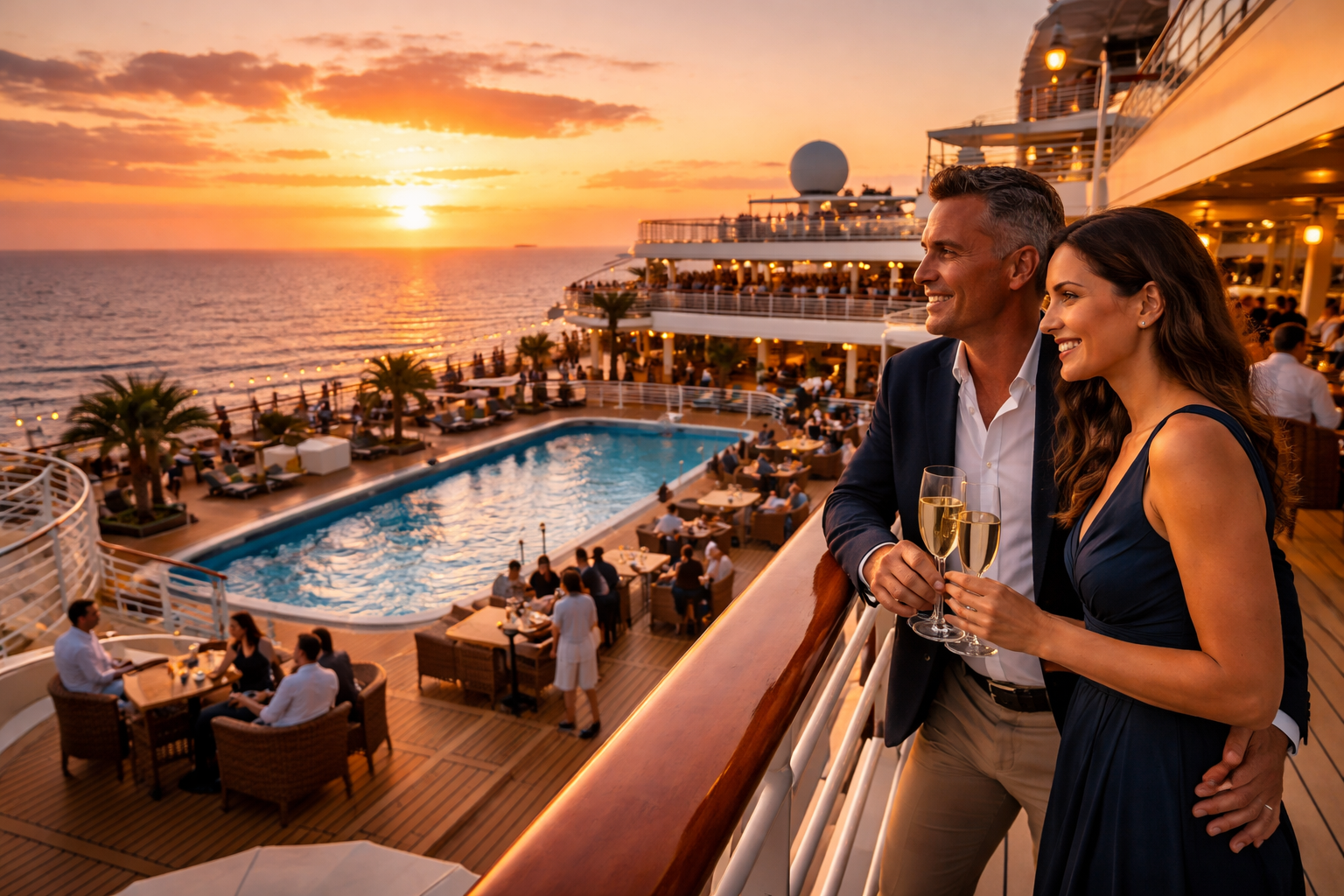
Planning note
The strongest reservations are built backward from the night.
Start with the kind of evening you want, then match the route, suite, and dining pace to it.
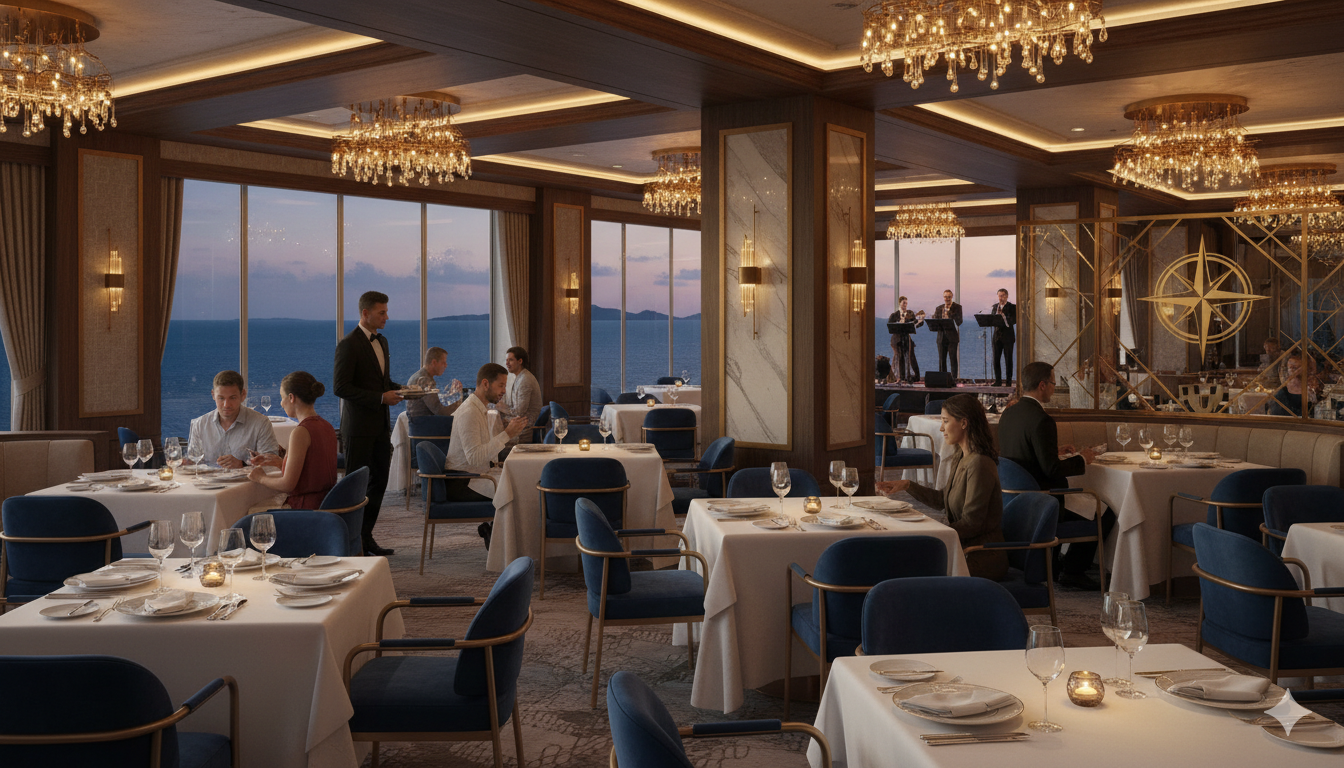
Decision Board
Start with the guest profile, not the price line.
Shadow Heroeso Fvalor sells best when the booking matches the real social behavior of the traveler. The cards below are not sales categories. They show how the same ship should be reserved differently depending on what the guest wants to feel onboard once the sun goes down.
For couples
Reserve around intimacy and pacing.
Choose a route with stronger terrace dinners, balcony time, and polished late-night movement. A celebration table, better suite category, and quieter return path to the room matter more than loading the booking with unrelated extras.
For casino-led guests
Ask about salon energy before you choose the route.
Some sailings feel more social, others more architectural and private. If the casino is central to the trip, reserve around the style of evening you want rather than assuming the atmosphere will be identical across all five itineraries.
For friend groups
Balance shared nights with private retreat.
Group bookings work best when dinner sequencing, nearby cabins, and after-dinner meeting points are coordinated early. The goal is to keep the group together without turning the voyage into a noisy all-day schedule.
For quiet luxury travelers
Book the route that protects your recovery time.
Guests who care more about suites, calmer lounges, and spa rhythm usually respond best to sailings where the public energy never overwhelms the private side of the ship. These reservations should be built around room quality first.
Route Timing
Choose the right month for the right mood.
The same itinerary can feel very different depending on weather, crowd rhythm, sunset timing, and how strongly guests use the public decks versus the indoor lounges. This matrix is here to help travelers avoid booking a route at the wrong emotional moment.
Barcelona to Monte Carlo
Best window: late spring to early autumn
Evening feel: Riviera dressing, terrace cocktails, and polished casino movement
Booking advice: reserve balcony-facing suites and private dining early if the trip is celebration-led
Athens to Valletta
Best window: shoulder-season warmth
Evening feel: slower dinners, luminous ports, and elegant supper-club energy
Booking advice: ideal for guests who want culture by day and softer casino rhythm after sunset
Miami to San Juan
Best window: winter and warm-season escapes
Evening feel: more visibly social, warm-air decks, and brighter late-night movement
Booking advice: best for groups and guests who want nightlife to feel energetic without losing resort polish
Singapore to Hong Kong
Best window: city-led cultural seasons
Evening feel: cinematic skyline arrivals, richer dining identity, and sleek casino progression
Booking advice: reserve for travelers who care about urban atmosphere and editorial-looking route design
Vancouver to Juneau
Best window: cooler scenic months
Evening feel: quieter interiors, longer views, and more intimate salon pacing
Booking advice: strongest for guests who want scenery, suite comfort, and calmer after-dark energy
Build Order
Construct the reservation in layers.
The booking process feels easier when it follows the same logic as the voyage itself. First decide where the ship should take you, then decide where you want to live onboard, and only then choose the dining, celebration, and casino details that complete the evening structure.
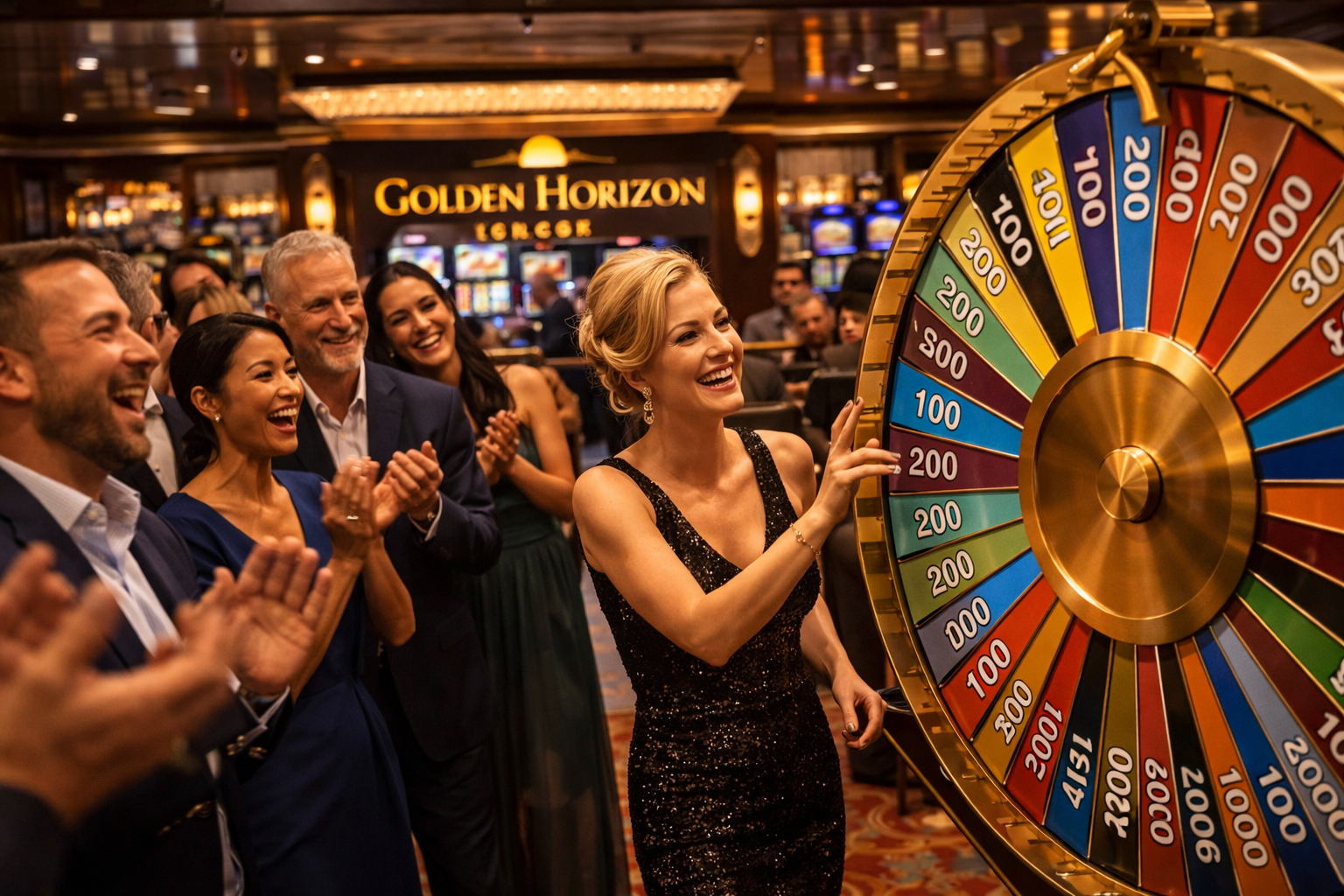
Layer one
Route before extras
Ports, temperature, and the social mood of the ship should come before package decisions. The route determines whether the whole trip reads as Riviera glamour, warm-season nightlife, or scenic retreat.
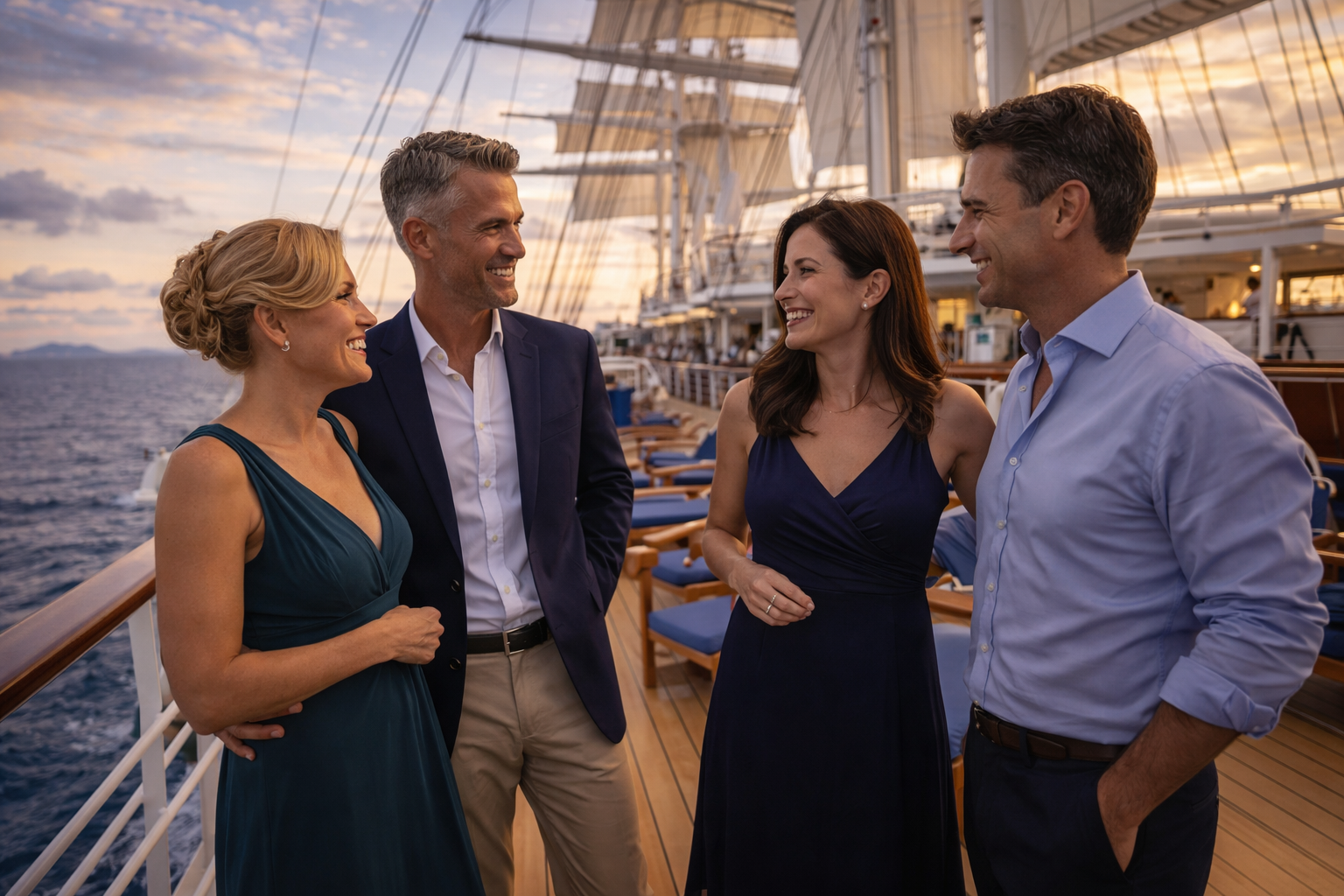
Layer two
Suite before add-ons
A better room often changes the voyage more than a stack of small upgrades. If privacy, balcony time, dressing space, and late-night recovery matter, protect the suite decision before anything else.
Layer three
Then shape the night
Dining reservations, celebration notes, hosted casino access, and lounge timing should all be chosen after the route and room are set. That is what turns a reservation into a coherent adult-first experience.
What The Desk Actually Does
Planning support should remove noise, not create more of it.
The Bridge Desk helps travelers narrow the booking, align the right cabin with the right route, and identify which requests deserve early attention. That includes celebration structure, arrival timing, route comparison, loyalty questions, and when relevant, early guidance on the casino side of the trip.
Clarifies route personality
Not just where the ship goes, but how each voyage feels after dark.
Protects premium inventory
Especially suites, dining times, and high-demand celebration windows.
Matches cabin to behavior
The right room depends on privacy, hosting style, and recovery time.
Builds the evening rhythm
Dinner, lounges, casino access, and return-to-suite flow should work together.
Questions
Booking answers with actual planning value.
This version of the booking FAQ is focused on how guests should sequence decisions, protect the most important parts of the reservation, and avoid building the voyage in the wrong order.
Premium dates and stronger suite categories usually perform best when reserved several months in advance, especially for warm-season departures, celebration travel, and routes where balcony-facing inventory shapes the entire experience. Guests who already know they want a more private or host-friendly room should protect that choice early instead of waiting until later in the planning cycle.
Usually the route comes first, because it determines climate, social energy, and the overall emotional identity of the voyage. After that, the suite should be chosen in a way that supports how you plan to live onboard, whether that means balcony mornings, dressing for long evenings, or quieter recovery after casino and lounge hours.
Celebration details should be introduced as early as possible, ideally once the route and room are settled. That gives the planning team time to coordinate dining, suite styling, hosted service, and the pacing of the evening instead of trying to attach those details to an already rigid booking at the last moment.
Yes. That is one of the main reasons Booking Compass exists. Many guests are not choosing between two ports, but between two emotional versions of the trip: warmer and more social, or quieter and more composed. The planning team can help map those preferences to the right itinerary before the reservation becomes too detailed.
Yes, especially for the main embarkation and arrival cities. These arrangements matter more than they seem because the tone of the voyage often begins before boarding. A rushed hotel night or badly timed transfer can weaken the start of a premium trip, while a calm pre-cruise setup usually supports a stronger first evening onboard.
Yes, but the best results come when the key structural decisions are made early. Route, room category, and the broad style of the trip should be decided first. Dining, celebration details, and casino-adjacent planning can be refined later, but they work better when the foundation of the booking is already aligned with the kind of voyage you want.